A Home Rule Petition that would ban commercial pesticide applicators from using certain anticoagulant rodenticides on private property was heard by the Massachusetts Legislature's Joint Committee on Environment and Natural Resources on Wednesday, July 1, marking the next step in a grassroots campaign that began in Andover.
The proposal is one of seven similar requests from Massachusetts communities seeking local authority to restrict the use of second-generation anticoagulant rodenticides (SGARs), according to the nonprofit Protect Andover Wildlife.
The campaign was spearheaded by residents Donna Cooper and Prudence Barker, who spent months building support before Town Meeting approved the measure this spring.
Along the way, the proposal won unanimous backing from several town boards, including the Green Advisory Board, Select Board, and Advisory Board of Government Affairs.
Not everyone agreed with the local approach. Board of Health Chair Dr. Deborah Enegess argued the issue would be better addressed through statewide legislation rather than town-by-town rules.
Supporters say the poisons don't just kill rats.
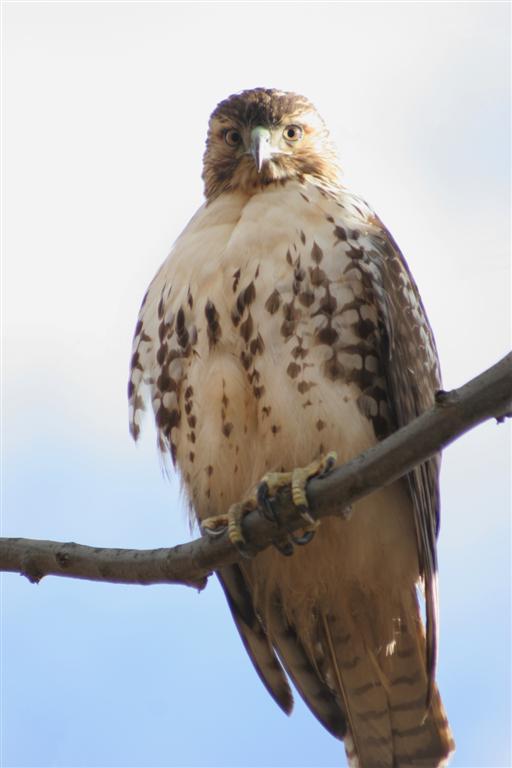
When hawks, owls, foxes, and other predators eat poisoned rodents, the toxins can build up in their bodies, often with fatal results. Wildlife advocates have pointed to an Andover red-tailed hawk treated for rodenticide poisoning as an example of the problem.
The town already stopped using these products on school grounds and in parks in 2017, switching to Integrated Pest Management. But state law prevents municipalities from regulating their use on private property without special legislative approval.
The committee has not announced when it will vote on Andover's petition.
Lawmakers are also considering a separate statewide bill that would limit these rodenticides across Massachusetts, potentially eliminating the need for individual towns to seek their own exemptions. Either path could shape how Andover—and communities across the state—manage rodent control in the years ahead.