
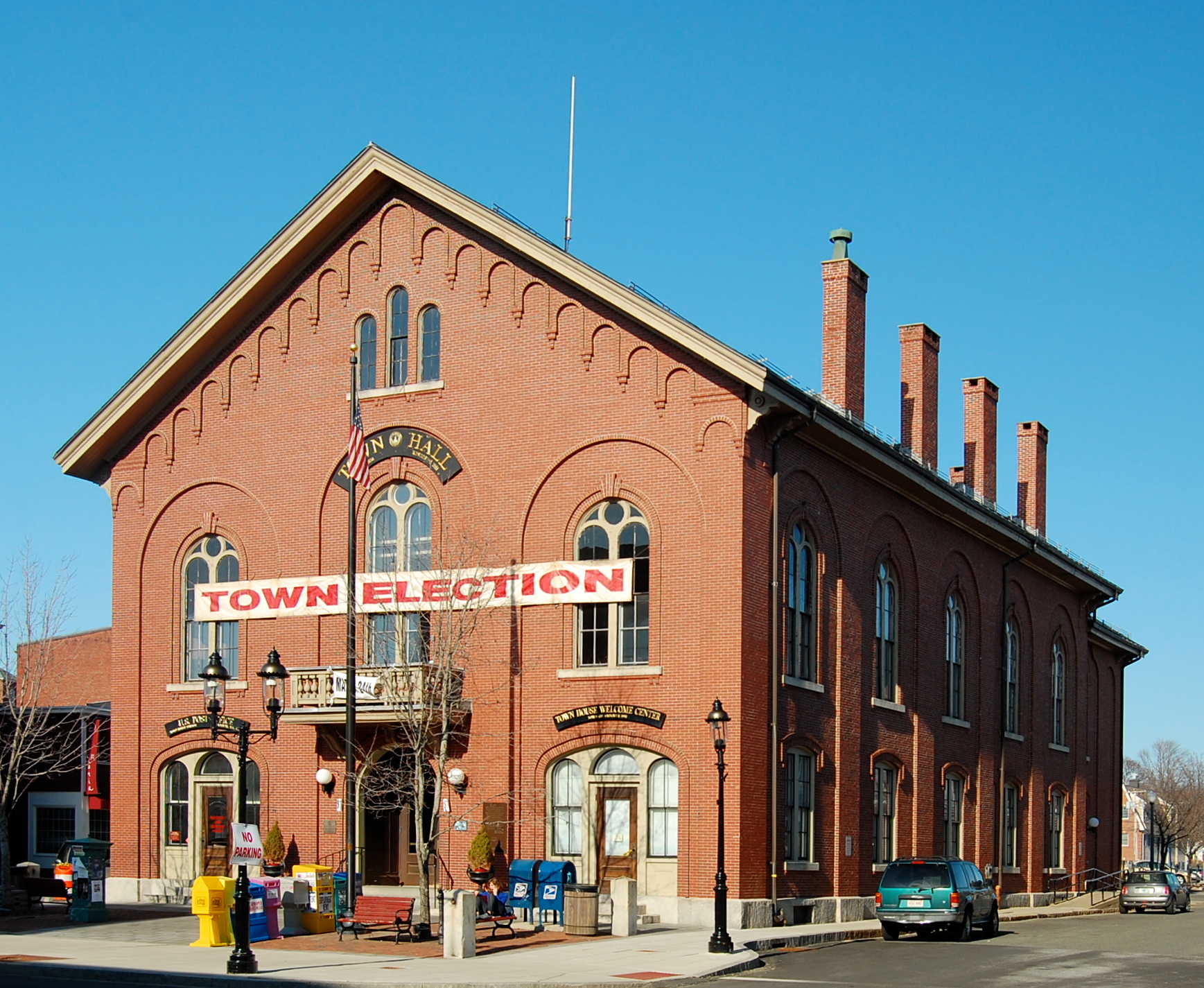
Andover's five-member Select Board and professional Town Manager didn't always run things. For most of the town's nearly 400-year history, a three-member board of "selected men" handled everything from keeping accounts to deciding who was moral enough to live here.
A new historical feature by local historian Gail Ralston, published Monday, July 27 on Andover News, traces how the town's governance grew from colonial origins through the 1854 split with North Andover to the 1959 charter vote that reshaped local government into the system residents know today.
Colonial roots
In early Andover, male voters gathered annually at Town Meeting to approve budgets and laws. As the settlement grew, they elected a small executive board to manage daily operations. Those selectmen wore many hats: poundkeepers, field drivers, overseers of the poor, assessors, and eventually police commissioners. A 1717 Town Record empowered them to "examine to the character and habits of all persons seeking residence and to admit none who were idle or immoral."
The 1854–55 split
By the mid-1800s, Andover had become the largest town in Massachusetts, stretching across three parishes: North, South, and West. Physical distance made unified governance impractical.
On March 6, 1854, Town Meeting voted 401 to 102 to divide the town along parish boundaries.
The Massachusetts Legislature didn't act that year. The Act to Divide finally passed the Senate on April 3, 1855, and the House on April 7, 1855. Under the terms, Andover kept Punchard High School (though North Andover students could still attend), paid North Andover $6,500 for "losses," and provided a complete copy of town records. Fire engines were divided. The Almshouse went to Andover.
One detail that still surprises residents: the South Parish paid the North Parish $500 to keep the name "Andover," according to Memorial Hall Library records, even though the North Parish was the original settlement.
The 1959 charter revolution
For another century, Andover's three selectmen continued to appear on the ballot three times: as Selectmen and Overseers of the Poor, as Board of Assessors candidates, and as Board of Public Works candidates. That changed when the Massachusetts Legislature enacted a new Town Charter in 1956 (Chapter 571 of the Acts of 1956), which voters accepted in 1958.
The first election under the new system, in 1959, swept out every incumbent selectman. The board expanded from three members to five, and a professional Town Manager took over day-to-day administration. Selectmen were barred from holding any other town position.
"It wasn't a case of 'throw the rascals out,'" former Town Manager and Selectman Dick Bowen explained in Ralston's account. "The Town was not disenchanted with its existing government. It had simply outgrown the old system."
The system today
Andrew Flanagan now serves as Andover's Town Manager, overseeing roughly 20 departments and a proposed $245.2 million budget for fiscal year 2027. The current Select Board members are Alexander J. Vispoli, Ellen Townson, Laura M. Gregory, Melissa Danisch, and Kevin Coffey.
North Andover followed a parallel path, adopting its own Town Charter in 1986 with the same Open Town Meeting–Select Board–Town Manager structure, according to the town's website.
The debate over whether the 1959 framework still fits isn't settled. The Committee for a New Andover Charter notes the town's population now exceeds 36,000 with more than 27,000 registered voters, yet the Open Town Meeting form dates back almost four centuries.
In 1984, when Andover moved to new Town Offices on Bartlet Street, Town Manager Ken Mahony launched a project to compile a list of every selectman since 1855. Former Selectman Colonel Ed Harris started the work; town staff Alice Flanders and Barbara Gaunt gathered photos. In 2011, then-Town Manager Buzz Stapczynski revived the effort, adding biographies from news clippings, town reports, and personal submissions.
Coming up:
The North Andover Historical Society hosts its Lifetime Preservation Award ceremony on Thursday, Sept. 10.