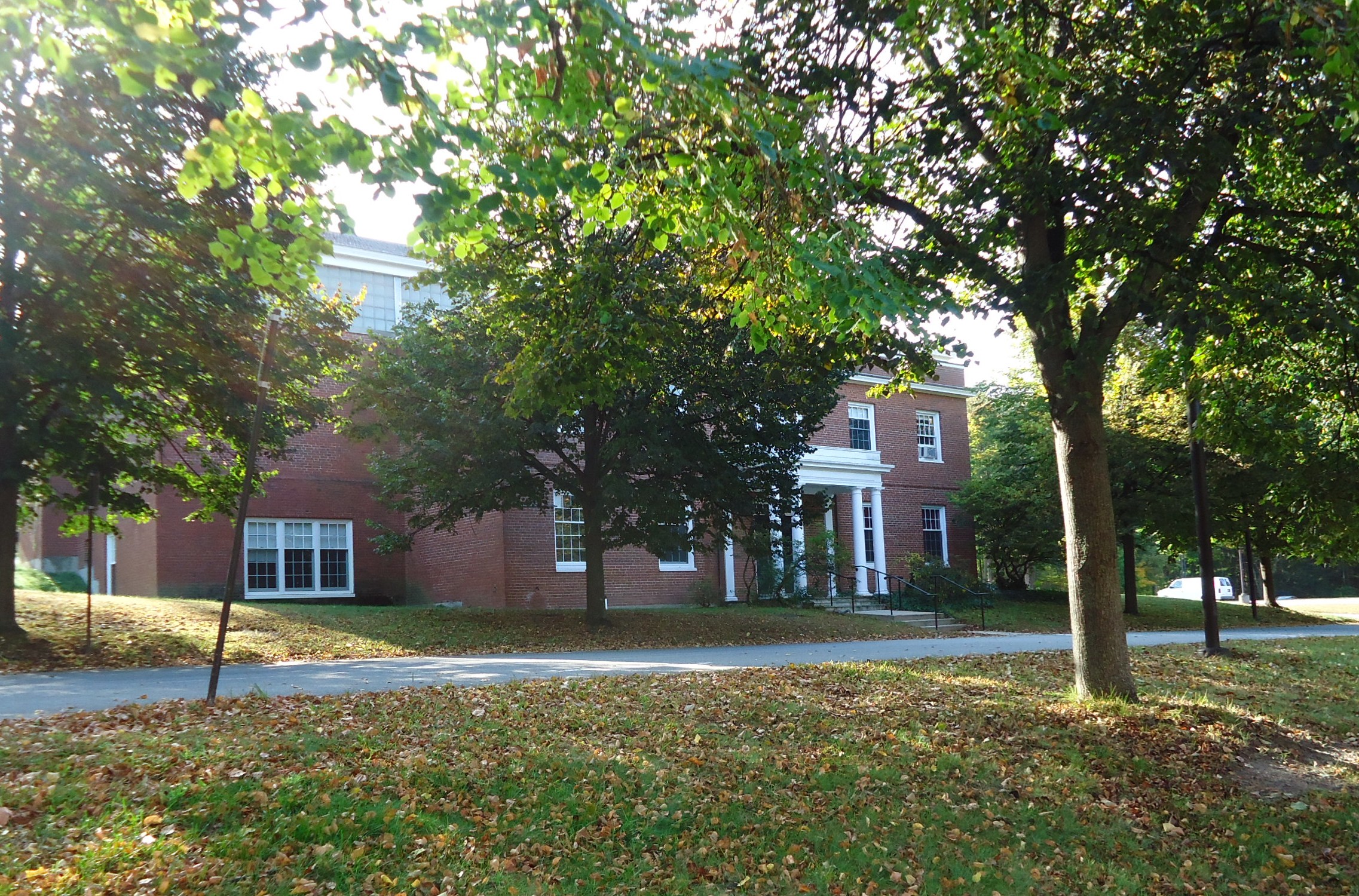
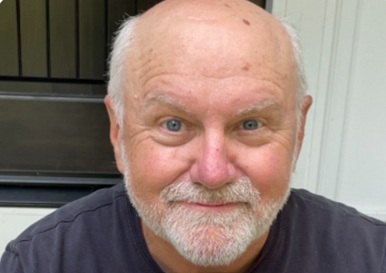
Brian Parker spent 18 years helping students with special needs at Andover High School. Now, in what was supposed to be a quiet retirement in Maryland with his wife, kidney failure has closed off the one thing he wants most: meeting his grandchild in London in person.
"I've only been able to meet my youngest grandkid, now four months old, over FaceTime," Parker wrote on his National Kidney Registry donor page. "I'm determined to make a visit soon, and hope to find a kidney donor so that I can make many more visits for years to come."
Parker retired from Andover Public Schools in 2015 after a 30-year career in public education. His son's family moved to London more than eight months ago, and medical complications since his diagnosis have made the trip impossible. The Andover Education Association shared his story this week, calling on the community that watched him devote himself to Andover students to now help him in return.
Parker and his wife are grandparents to three children under age 3. When he first learned of his kidney failure, he said all he could think about was watching those grandchildren grow up.
Parker is searching through the National Kidney Registry's paired-donation program, which means a willing donor doesn't need to match him directly. Instead, an incompatible donor can give a kidney to a different patient in the chain, while Parker receives a compatible kidney from someone else — a system that's facilitated more than 12,000 transplants since 2007. Donors are covered by the registry's Donor Shield program, which handles lost wages, travel costs and any medical complications.
Anyone interested can fill out a confidential screening questionnaire on Parker's page. Even sharing the link widens the pool of people who might consider donating. More than 90,000 Americans remain on the kidney waiting list, and only about 6,000 people become living donors each year, according to the registry.