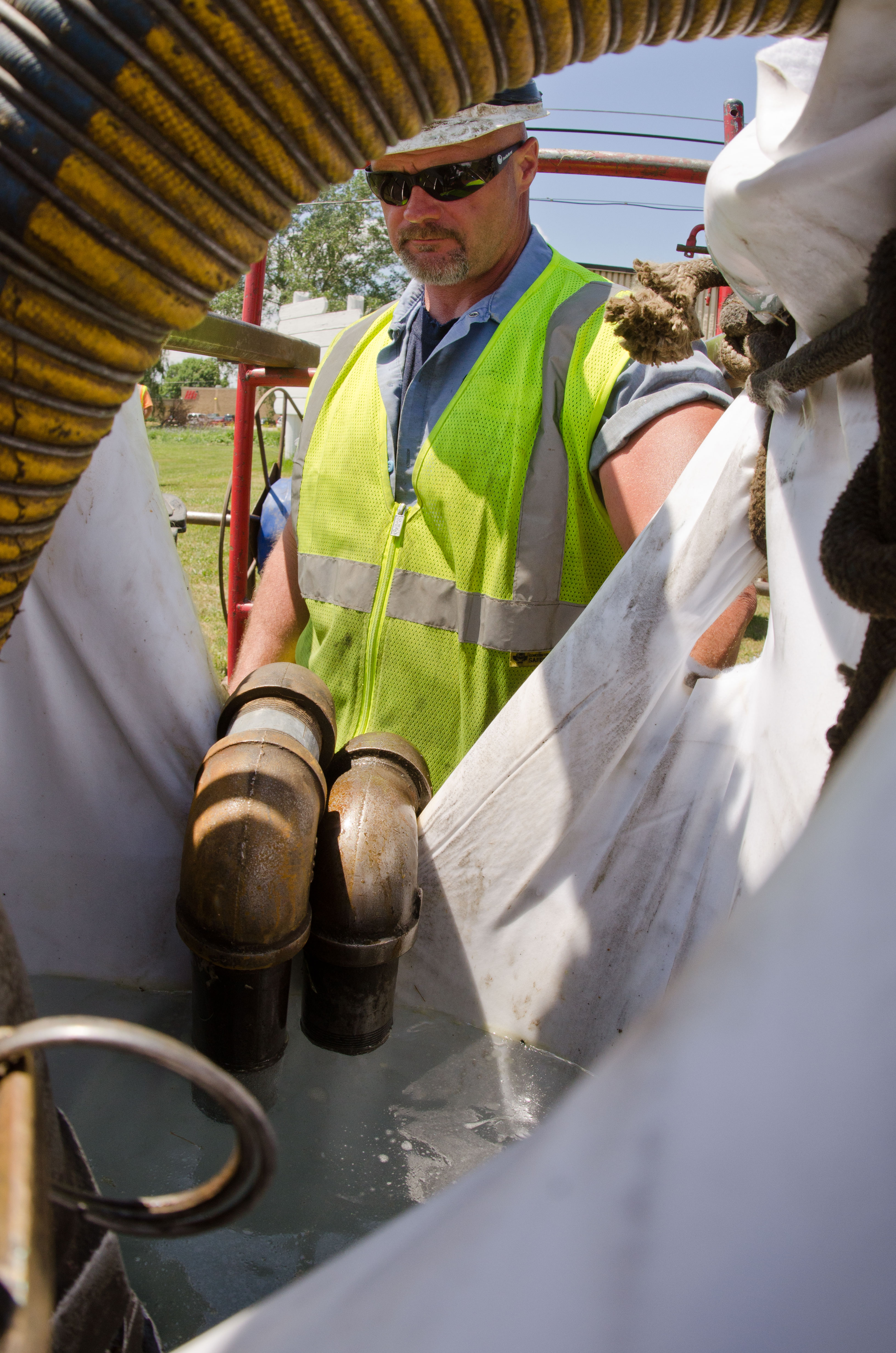
A year of fixes hasn't solved the sewage smell plaguing the Horn Bridge area and Abbot Bridge Drive neighborhood, and Andover's Department of Public Works is now planning a deeper investigation to find a permanent solution.
DPW Deputy Director of Operations Jeffrey Crane told the Select Board on Tuesday, Aug. 11, that a 24-inch sewer main installed in 1968 is the root cause, according to the Eagle Tribune. The main carries sewage from the Lowell Junction Road area to the Shawsheen pump station at the north end of town, passing under the Shawsheen River through a siphon near Horn Bridge on Central Street.
The problem: sewage flows through the siphon, but air gets trapped in the main and backs up into two local lines connected to it. That trapped air escapes into the neighborhood as the foul odor residents have complained about for decades.
Town Manager Andrew Flanagan said the DPW has focused on the issue for the past year, with weekly updates from DPW Director Carlos Jaques. He described the effort as trial and error.
The town lined about 6,000 feet of the sewer main in fall 2025, but complaints resumed soon after. Workers covered and vented manholes. The DPW then hired Nick Ellis, operations manager for the Manchester, New Hampshire, office of environmental engineering firm Wright-Pierce, as an odor specialist.
An air scrubber was installed after the siphon mechanism was identified. It worked initially, then complaints returned. An in-line air jumper installed over the winter has been the most effective mitigation to date, according to Crane. The DPW went without complaints for a stretch and thought it was making headway before the issue arose again.
"This is horrendous," Abbot Bridge Drive resident Seth Osborn told the board. "I'm a plumber. I go into my backyard to cook and I'm gagging. I deal with it every day."
Osborn acknowledged he hadn't noticed the odor in about six weeks but pushed back on any suggestion the problem was solved, expressing concern about positive pressure in the sewer main and what it means long-term for his home, which sits farthest from the bridge.
DPW Deputy Director of Capital Projects Arthur Martineau said the odor has been noted near Horn Bridge for decades. Carbon filters have managed it, he said, but haven't eliminated it.
Ellis, the consultant, said the next step is a two-phased approach: differential pressure monitoring to maintain negative pressure in the sewer, followed by liquid-phase sampling of the sewage flow projected for September to trace the odor back to its source and find a long-term fix.