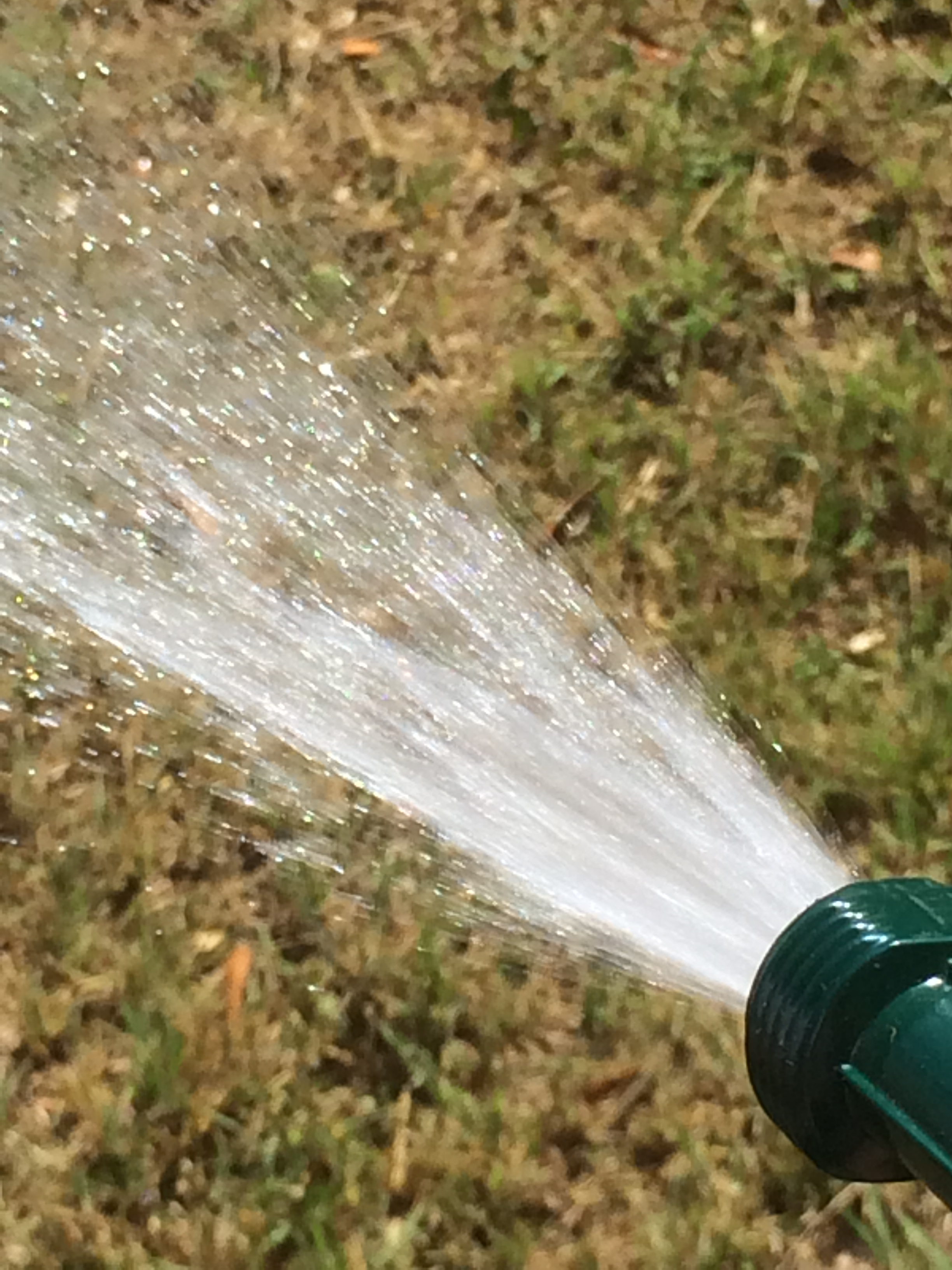
Andover's water treatment plant can pump 18 million gallons a day. Peak summer demand tops out around 10 million. Yet car washes, landscapers, pool services and other local businesses remain barred from using outdoor water under state-mandated drought restrictions that have nothing to do with the town's actual supply.
The disconnect drew pointed questions from Select Board member Kevin Coffey at the board's Tuesday, Aug. 11 meeting, where town officials confirmed the restrictions stem from a statewide drought designation for the Northeast region, not from any local shortage, according to Andover News.
"The law is the law and our bylaw implementation is what it is," Coffey said. "But it strikes me that in this Northeast region, the actual availability of water or the actual impact of drought conditions is hugely different one community to the next."
What's banned
Andover currently sits at Level 2, or "Significant Drought," downgraded from Level 3 in early August. As we reported July 28, the stricter Level 3 rules had banned nearly all outdoor water use. Under Level 2, residents and businesses still cannot:
- Water lawns with sprinklers or irrigation systems
- Fill swimming pools
- Wash vehicles at home
- Pressure wash patios or sidewalks
Hand watering of flower gardens with drip irrigation is allowed, and food-producing gardens are exempt.
Why Andover is restricted anyway
Andover draws drinking water from both the Merrimack River and Haggetts Pond. The treatment plant's 18-million-gallon daily capacity dwarfs actual demand of 6 to 10 million gallons. But under regulations MassDEP amended in January 2023, every public water supplier holding a Water Management Act registration must enforce restriction levels as declared by the state's Drought Management Task Force.
Andover Town Meeting adopted a water conservation bylaw in 2025 to comply. Officials told voters at the time that refusing could have jeopardized the town's ability to renew its state water withdrawal permits.
The restrictions have been in place continuously since August 2025, when the state first declared drought conditions for the region. They also survived a legal challenge: the Massachusetts Appeals Court affirmed the state's authority to impose them after the Springfield Water and Sewer Commission and other suppliers sued.
Business impact
The rules hit hardest for businesses that depend on outdoor water. Landscaping companies cannot run irrigation systems for clients. Pool services cannot fill residential pools. Car washes that rely on home-service models are sidelined. The restrictions apply across the board, with no commercial exemption.
Coffey suggested the question of whether Massachusetts should adopt more localized drought standards may be one for Andover's state legislative delegation to take up.
What's next
No specific end date has been set. The restrictions remain in effect until the Drought Management Task Force downgrades or lifts the region's drought designation. DPW Director Carlos Jaquez said at the 2025 Town Meeting debate over the bylaw that the town was not looking to aggressively enforce watering restrictions but instead hoped residents would voluntarily conserve water.